
Home thyroid blood tests measure hormone levels to assess gland health. Accurate results require preparation, proper handling, and professional interpretation. Test kits offer accessibility but reliability for cancer screening is debated. Normal ranges for T4 and T3 indicate thyroid function; deviations suggest potential disorders. Regular monitoring aids early detection and management through diet, exercise, stress reduction, and medical guidance.
“Discovering your body’s rhythm is essential for overall health, especially when it comes to your thyroid. This guide offers a comprehensive overview of the thyroid function test, focusing on the home thyroid blood test—a convenient way to monitor your thyroid health. Learn about the simple process, what to expect during and after the test, and how to interpret results. From understanding common thyroid conditions to tips for post-test care, this article empowers you to take charge of your thyroid well-being.”
- Understanding Thyroid Function Tests
- Preparing for Your Home Thyroid Blood Test
- What Does the Test Involve?
- Interpreting Your Thyroid Results
- Common Thyroid Conditions and Next Steps
- Maintaining a Healthy Thyroid Post-Test
Understanding Thyroid Function Tests
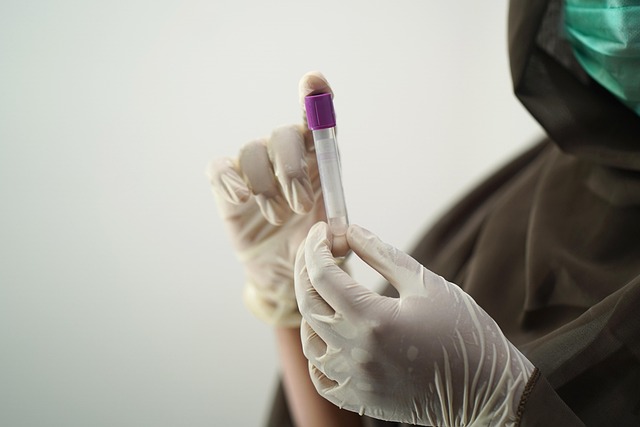
Thyroid function tests are essential tools to understand how well your thyroid gland is working. These tests typically involve taking a small sample of your blood to measure levels of specific hormones and proteins related to thyroid function. One common and accessible way to do this is with a home thyroid blood test, which allows individuals to conveniently monitor their thyroid health in the comfort of their own homes.
Understanding these results can be key in identifying potential issues early on, as many people may exhibit signs they need a thyroid blood test without realizing it. Symptoms like fatigue, weight changes, irregular periods, and low mood could indicate an underlying thyroid disorder. While a home thyroid blood test provides valuable insights, it’s also important to consult healthcare professionals who can interpret the results in conjunction with your medical history and other diagnostic tools, such as a testosterone test. Additionally, exploring complementary remedies for thyroid disorders may be part of a holistic approach to managing thyroid health alongside traditional treatments.
Preparing for Your Home Thyroid Blood Test
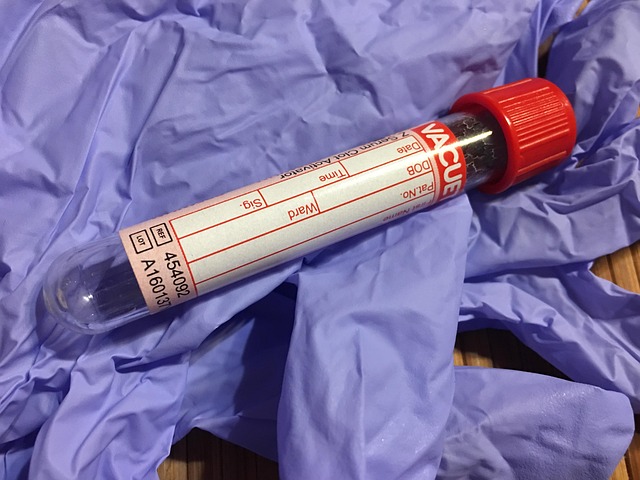
Preparing for a home thyroid blood test is straightforward but requires some planning to ensure accurate results. First, consult with your healthcare provider about any medications or supplements you’re taking, as certain substances can interfere with test outcomes. It’s also important to follow fasting requirements for thyroid tests—typically avoiding food and beverages (except water) for 8–12 hours before the test. This period of fasting helps provide a clearer picture of your thyroid function.
On the day of the test, make sure you have all the necessary supplies ready. Your healthcare provider or lab will typically provide detailed instructions on what to do with the sample once collected. Some at-home tests even offer easy-to-follow video guides to walk you through the process. Ensure your sample is handled and stored according to the given directions to maintain its integrity before sending it off for analysis.
What Does the Test Involve?
A home thyroid blood test is a simple procedure that involves drawing a small sample of your blood to check your thyroid function. A healthcare professional will provide you with a test kit, which typically includes a sterile needle, a collection tube, and instruction materials. They’ll guide you through the process, ensuring comfort throughout. The test measures the levels of two key hormones: thyroxine (T4) and triiodothyronine (T3). These hormones play a crucial role in regulating your body’s metabolism, influencing how quickly cells use energy and perform various functions.
After the sample is collected, it’s sent to a laboratory for analysis. The results will indicate whether your thyroid function is within a healthy range or if there are any imbalances. A normal thyroid level typically falls within specific ranges for T4 and T3. If your test results show abnormal levels, it doesn’t necessarily mean you have thyroid cancer; instead, it may point to fix thyroid issues with diet and lifestyle adjustments. However, persistent abnormalities could be a sign of underlying conditions that require medical attention. To determine what does a normal thyroid level look like, consult your healthcare provider for personalized insights. Additionally, while home kits offer convenience, their reliability for thyroid cancer screening is still being debated, so it’s essential to discuss the next steps with a professional.
Interpreting Your Thyroid Results

After you’ve completed your home thyroid blood test, it’s time to interpret the results. The report will typically include measurements for two primary hormones: thyroxine (T4) and triiodothyronine (T3). Normal ranges can vary slightly between laboratories, so be sure to review your specific lab’s reference values. Generally, T4 levels should fall within 4.5–7.5 mIU/L (microinternational units per liter), while T3 levels are usually around 1.0–4.0 pg/mL (picograms per milliliter).
If your results indicate levels outside these ranges, it might suggest a thyroid condition. For instance, low T4 (hypothyroidism) can cause fatigue and weight gain, whereas high T4 (hyperthyroidism) may lead to weight loss and increased heart rate. An elevated T3 level could also point to hyperthyroidism. Where to buy reliable thyroid test kits is a common query, but ensuring accuracy is key; opt for kits from reputable sources and follow instructions carefully. Is a home thyroid test accurate is a valid concern—when performed correctly, these tests can provide valuable insights into your thyroid health.
Common Thyroid Conditions and Next Steps

Thyroid disorders are common health issues that can significantly impact overall well-being. Understanding these conditions is essential when considering at-home thyroid blood tests, offering several benefits for proactive monitoring. The two primary types to be aware of are hypothyroidism and hyperthyroidism. Hypothyroidism occurs when your thyroid gland doesn’t produce enough hormones, leading to symptoms like fatigue, weight gain, and dry skin. On the other hand, hyperthyroidism is characterized by an overactive thyroid, resulting in increased metabolism, weight loss, and nervousness.
If you suspect any treatable thyroid conditions at home based on your results or symptoms, it’s crucial to consult a healthcare professional. They will guide you on how often you should get a thyroid check, typically recommended every 6-12 months for those with concerns or underlying health issues. Regular monitoring allows for early detection and treatment of any abnormalities, ensuring optimal thyroid function.
Maintaining a Healthy Thyroid Post-Test
After completing a home thyroid blood test, it’s essential to maintain a healthy thyroid to ensure optimal function and well-being. This involves adopting a balanced diet rich in iodine, selenium, zinc, and tyrosine, all of which play crucial roles in thyroid hormone production. Incorporate foods like seafood, nuts, seeds, eggs, and leafy greens into your diet to support your thyroid’s health.
Additionally, regular exercise can help regulate thyroid function. Aim for at least 150 minutes of moderate-intensity aerobic activity or 75 minutes of vigorous activity each week, as suggested by healthcare professionals. Managing stress is also vital; consider practices like meditation, yoga, or deep breathing exercises to keep cortisol levels in check, as elevated stress can negatively impact thyroid function. If your test results indicate an abnormality, consult a doctor for further evaluation and guidance on what if any changes are necessary, such as adjusting medication or exploring options like a testosterone blood test.
A thyroid function test, especially with a convenient home thyroid blood test, is a straightforward way to gain insights into your thyroid health. By understanding the process, preparing appropriately, and interpreting the results, you can take charge of your thyroid well-being. Whether you’re experiencing symptoms or simply seeking preventive care, this test plays a crucial role in identifying potential issues and guiding appropriate next steps for maintaining optimal thyroid function. Remember, proactive measures like regular check-ups and home testing can make all the difference in keeping your thyroid balanced and your body functioning at its best.