Home Thyroid Blood Test: Unlocking Insights into Endocrine Health
Introduction
Welcome to an extensive exploration of the home thyroid blood test—a groundbreaking approach to monitoring and managing thyroid health. This article aims to guide readers through the intricate world of this diagnostic tool, highlighting its significance, applications, and potential impact on global healthcare. By delving into its various facets, we will uncover how home thyroid blood tests are revolutionizing endocrine testing, making vital health information more accessible to individuals worldwide.
Understanding Home Thyroid Blood Test: Unveiling the Basics
Definition:
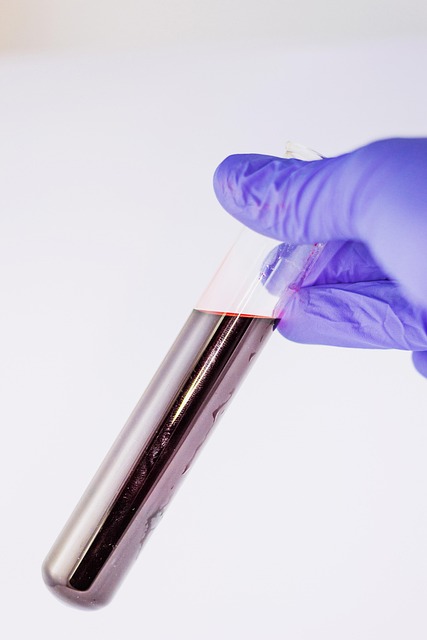
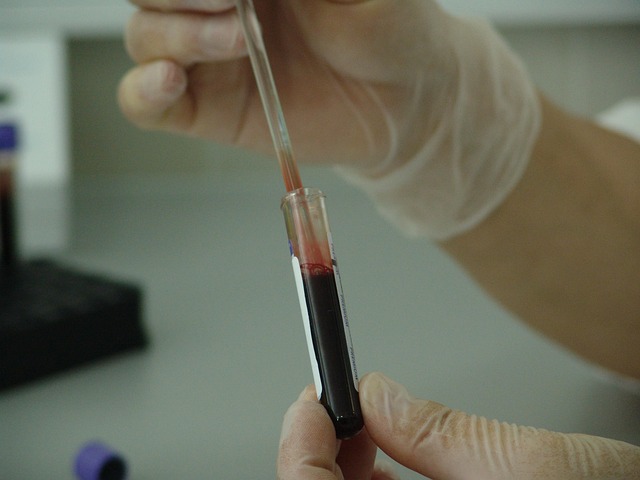
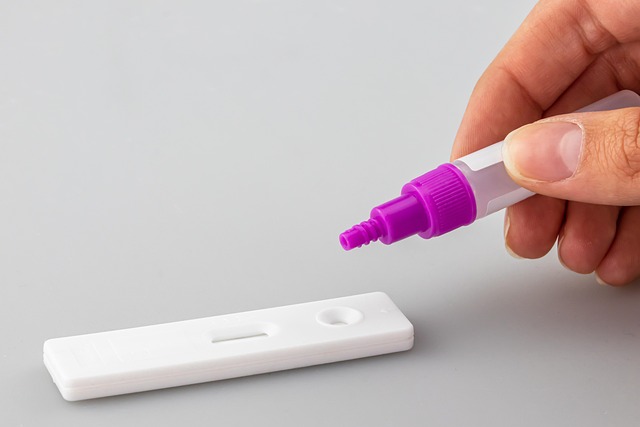
A home thyroid blood test is a diagnostic procedure that allows individuals to measure their thyroid hormone levels (mainly T3, T4, and TSH) from the comfort of their homes. This non-invasive test involves collecting a small blood sample, which is then analyzed in a laboratory to provide insights into thyroid function.
Key Components:
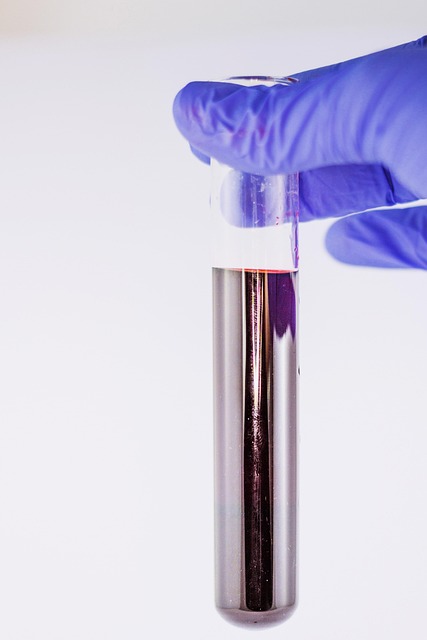
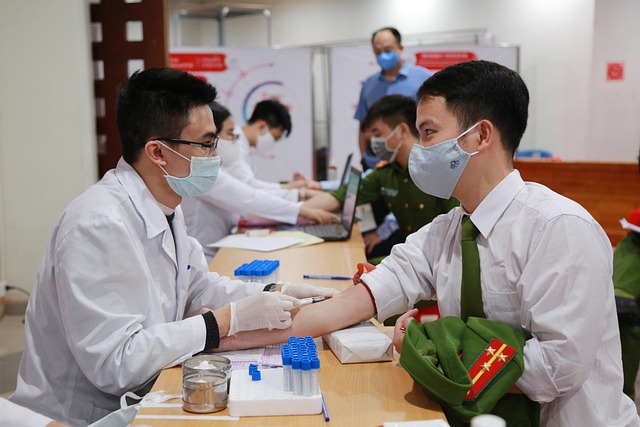
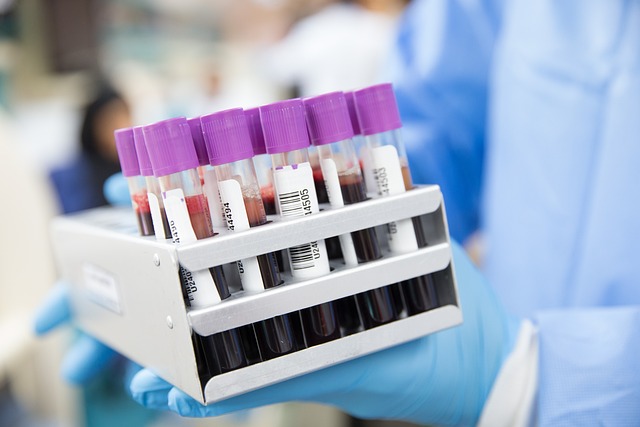
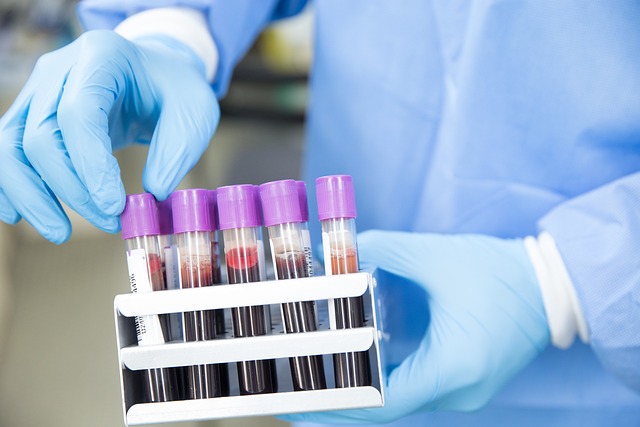
- Blood Sampling: A healthcare professional or, in the context of home testing, an individual, draws a small amount of blood from a vein, usually in the arm.
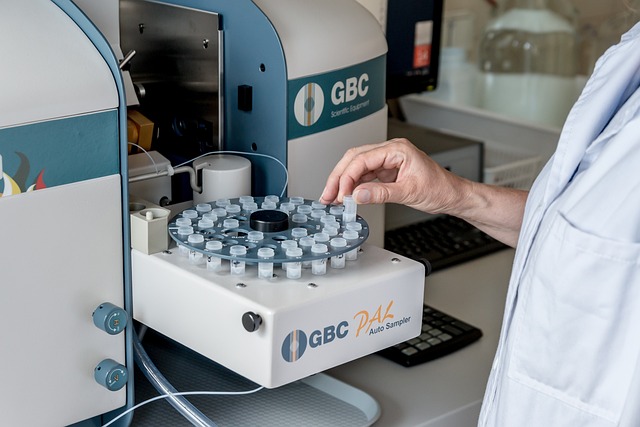
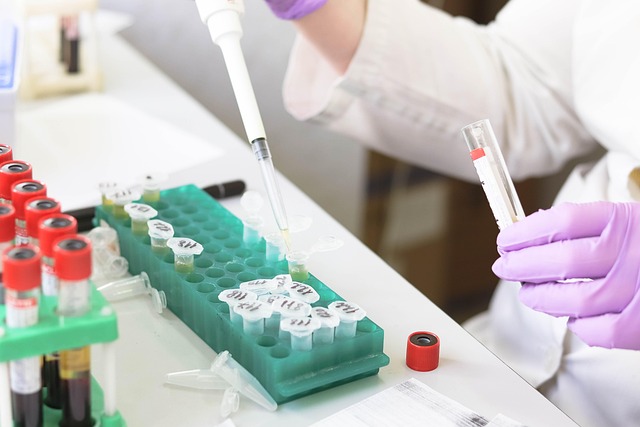
- Hormone Measurement: The blood sample is sent to a laboratory for analysis using sensitive diagnostic techniques like immunoassay or more advanced methods like radioimmunoassay (RIA).
- Result Interpretation: Laboratory technicians and medical professionals interpret the test results, comparing them against established reference ranges to assess thyroid function.
Historical Context:
The concept of home thyroid blood testing has evolved over several decades, driven by advancements in medical technology and a growing demand for personalized healthcare. Initially, thyroid function tests were primarily conducted in clinical settings, requiring patients to visit hospitals or specialized clinics. Over time, the development of accurate home-based test kits and improvements in point-of-care diagnostic technologies have made this process more accessible and convenient.
Significance:
- Early Detection: Home thyroid blood tests enable early detection of thyroid disorders such as hypothyroidism, hyperthyroidism, and thyroiditis. This is crucial as timely intervention can significantly impact treatment outcomes.
- Convenience: By eliminating the need for frequent clinic visits, these tests offer unparalleled convenience to patients, especially those with busy schedules or limited mobility.
- Personalized Healthcare: They empower individuals to take an active role in managing their health by providing them with direct access to critical health information.
Global Impact and Trends: A World of Thyroid Awareness
The home thyroid blood test has garnered global attention, leading to diverse trends and impacts across different regions:
| Region |
Trends & Impact |
| North America |
The United States and Canada have seen a surge in home testing due to increased awareness of thyroid health and the convenience offered by these tests. This trend has led to improved access to thyroid screening, particularly for at-risk populations. |
| Europe |
European countries like Germany and the UK have embraced home thyroid testing, with regulatory support and widespread insurance coverage, making it a common practice for preventive healthcare. |
| Asia Pacific |
The region's growing focus on wellness and remote healthcare has fueled the adoption of home thyroid tests. China and Japan, in particular, have witnessed significant market growth due to their aging populations and increased demand for self-monitoring. |
| Middle East & Africa |
In these regions, home testing is gaining traction as a means to bridge healthcare gaps, especially in rural areas with limited access to specialized clinics. It offers a cost-effective solution for monitoring thyroid health. |
| Latin America |
There is a rising interest in home thyroid screening, driven by the high prevalence of thyroid disorders and the desire for more affordable healthcare options. |
Economic Considerations: Market Dynamics and Investments
The economic landscape surrounding home thyroid blood tests is dynamic and multifaceted:
- Market Size: The global thyroid testing market, including both clinical and home-based tests, was valued at USD 1.7 billion in 2021 and is projected to grow at a CAGR of 6.5% from 2022 to 2030 (Source: Grand View Research).
- Investment Trends: Private equity firms and venture capitalists have shown interest in home testing startups, backing innovations that improve test accessibility and accuracy. This funding has accelerated the development of user-friendly kits and advanced diagnostic technologies.
- Cost Analysis: Home thyroid tests generally offer more affordable pricing compared to clinical tests, making them an attractive option for individuals and healthcare providers looking to reduce costs without compromising quality.
- Reimbursement Policies: Insurance coverage varies across regions, influencing market adoption rates. In many countries, home thyroid tests are covered by health insurance plans, encouraging wider usage.
Technological Advancements: Revolutionizing Diagnostic Precision
Technological breakthroughs have been instrumental in enhancing the capabilities and accuracy of home thyroid blood tests:
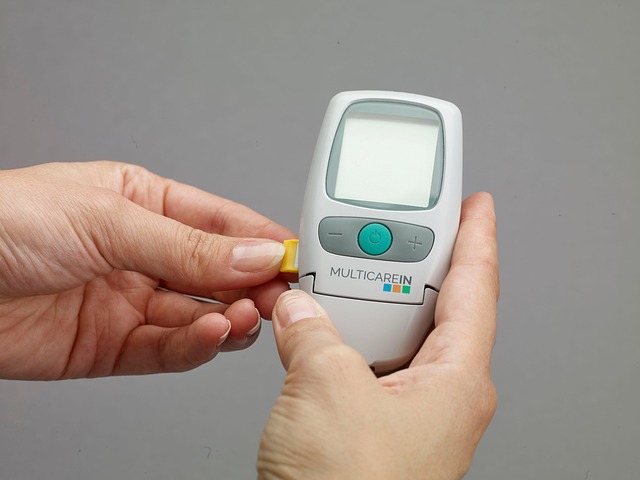
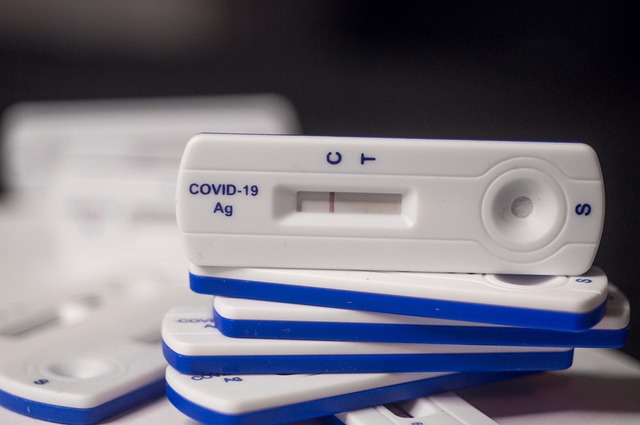
- Point-of-Care (POC) Testing: POC devices offer rapid, on-the-spot testing, providing results within minutes. These portable testers use simple procedures, making them ideal for home use. For instance, the i-Stat system from Abbott Labs is a handheld device that performs various tests, including thyroid hormone levels.
- Digital Health Solutions: Mobile applications and digital platforms are transforming healthcare management. Some apps enable users to track their test results over time, set reminders for retests, and even consult healthcare professionals regarding their thyroid health.
- Advanced Assay Techniques: Newer immunoassay methods, such as chemiluminescence and fluorescent detection, offer improved sensitivity and specificity, leading to more accurate diagnoses.
- Artificial Intelligence (AI): AI algorithms can analyze test data, identify patterns, and provide personalized recommendations, enhancing the interpretative capabilities of healthcare professionals.
Policy and Regulation: Navigating the Legal Landscape
Regulatory bodies worldwide play a pivotal role in ensuring the safety, efficacy, and accessibility of home thyroid blood tests:
- Food and Drug Administration (FDA): In the United States, the FDA regulates medical devices, including home testing kits. It sets standards for product safety, quality, and performance, ensuring consumer protection.
- European Union (EU) Regulations: The EU has established a comprehensive regulatory framework for in vitro diagnostic (IVD) devices, covering quality assurance, clinical evaluation, and market surveillance. This ensures the reliability of home thyroid tests sold within the EU.
- Regional Standards: Other regions have developed similar guidelines to standardize home testing practices. For instance, the International Organization for Standardization (ISO) offers standards for IVD devices, including those used for thyroid screening.
- Insurance Coverage: Policies regarding home thyroid tests vary by country and region. Governments and insurance providers are increasingly recognizing their value, leading to broader coverage and increased accessibility.
Challenges and Criticisms: Overcoming Barriers to Adoption
Despite its many advantages, the home thyroid blood test faces several challenges and criticisms that require strategic solutions:
- Accuracy Concerns: Critics argue that home tests may not be as accurate as clinical laboratory tests due to potential user errors or variations in test kits. To address this, manufacturers must ensure rigorous quality control and provide clear, comprehensive instructions.
- Interpretation Complexity: Interpreting thyroid function requires medical expertise. Some users might struggle with understanding results, leading to unnecessary anxiety. Educational resources and easy-to-comprehend reports can mitigate this issue.
- Regulatory Compliance: Navigating complex regulatory frameworks can be challenging for startups and small businesses in the home testing market. Simplifying these processes and providing clear guidelines will encourage more companies to enter the space.
- Data Privacy: As digital health solutions gain popularity, ensuring patient data privacy and security becomes paramount. Robust cybersecurity measures and transparent data handling practices are essential to building user trust.
Case Studies: Real-World Success Stories
1. Japan's National Thyroid Screening Program
Japan has implemented a nationwide home thyroid screening program for schoolchildren, which has led to remarkable results. This initiative, launched in 2000, involves annual testing of children aged 15-19. The program identified an increased prevalence of subclinical hypothyroidism, allowing for early intervention and improved long-term health outcomes. This case highlights the effectiveness of home testing in large-scale public health programs.
2. Telehealth Integration in Urban Areas
In dense urban centers like New York City, home thyroid tests are often integrated into telehealth services. Patients can remotely consult endocrinologists, who guide them through the test process and interpret results over video calls. This model improves access to specialist care, especially for individuals with limited mobility or busy schedules.
3. Community Health Programs in Rural Africa
In rural regions of sub-Saharan Africa, home thyroid tests have been used as part of community health initiatives. Local healthcare workers conduct tests and educate communities about thyroid health, addressing a significant knowledge gap. This approach has led to improved awareness and early detection of thyroid disorders in underserved populations.
Future Prospects: Shaping the Horizon
The future of home thyroid blood testing is filled with promising possibilities:
- Personalized Medicine: Advanced AI algorithms will play a pivotal role in tailoring treatment plans based on individual test results and health history.
- Remote Monitoring: The integration of wearable sensors and continuous monitoring technologies will provide real-time data, enabling proactive healthcare management.
- Digital Health Platforms: Comprehensive digital platforms will offer personalized health dashboards, allowing users to track various health markers, including thyroid function, over time.
- Global Accessibility: Efforts to reduce costs and improve test accessibility will make home thyroid screening available to even the most remote communities, fostering a more inclusive healthcare system.
- Research Advancements: Ongoing research into thyroid disorders and their relationship with other health conditions will lead to new insights, potentially uncovering novel treatment approaches.
Conclusion: Empowering Individuals Through Knowledge
The home thyroid blood test represents a significant milestone in personalized healthcare, enabling individuals to take charge of their endocrine well-being. Its global impact has been profound, leading to improved access, convenience, and awareness. As technology continues to evolve and regulatory frameworks adapt, this diagnostic tool will undoubtedly play an even more critical role in managing thyroid health.
By addressing challenges, embracing advancements, and fostering collaboration between healthcare professionals, policymakers, and manufacturers, the home thyroid blood test can unlock its full potential. Ultimately, it empowers individuals to make informed decisions about their health, leading to better outcomes and a healthier world.
FAQ: Answering Common Queries
Q: How accurate are home thyroid tests compared to laboratory tests?
A: Home tests have consistently shown high accuracy when performed correctly. Modern test kits use advanced technologies like immunoassay methods that provide reliable results. However, user errors or inconsistent sample collection might impact accuracy, emphasizing the importance of following instructions carefully.
Q: Can I rely on home testing if I suspect a thyroid disorder?
A: Home tests are excellent for initial screening and monitoring but should not replace clinical evaluation entirely. If you suspect a thyroid disorder, consult a healthcare professional who can interpret test results in the context of your medical history and perform additional diagnostic tests if needed.
Q: How often should I get tested if I have no symptoms?
A: The frequency of testing depends on various factors, including age, risk factors, and personal preferences. Many healthcare providers recommend annual or biennial screening for adults, especially those over 40 or with a family history of thyroid disorders. Regular monitoring is essential for early detection.
Q: Are home thyroid tests covered by insurance?
A: Insurance coverage varies widely. Some insurers cover home testing as part of preventive care, while others may require pre-authorization. Check with your insurance provider to understand your specific coverage and consider the potential cost savings.
Q: Can I trust online health platforms for test interpretation?
A: Online platforms can provide valuable resources, but consulting a healthcare professional is crucial for accurate interpretation, especially in complex cases. These platforms should be used as educational tools rather than sole sources of medical advice.
September 6, 2025
home thyroid blood test
Understanding thyroid function is crucial for overall health. Home thyroid blood test kits offer con.......
Read more →
September 6, 2025
home thyroid blood test
Rising thyroid issues highlight the growing importance of screening with home thyroid blood tests. T.......
Read more →
September 6, 2025
home thyroid blood test
Home thyroid blood tests offer a convenient way to monitor thyroid health by measuring T3, T4, and T.......
Read more →
September 6, 2025
home thyroid blood test
Maintaining thyroid health is crucial for active lifestyles, as the thyroid gland regulates energy a.......
Read more →
September 6, 2025
home thyroid blood test
Thyroid issues often go unnoticed due to subtle symptoms affecting various health aspects. A home th.......
Read more →
September 6, 2025
home thyroid blood test
The thyroid gland's role in metabolic regulation demands regular health checks. Home thyroid bl.......
Read more →
September 6, 2025
home thyroid blood test
Home thyroid blood tests measure hormone levels to assess gland health. Accurate results require pre.......
Read more →
September 6, 2025
home thyroid blood test
When choosing a home thyroid blood test kit, prioritize FDA/CLIA-compliant testing for accurate resu.......
Read more →
September 6, 2025
home thyroid blood test
A home thyroid blood test offers a private way to assess thyroid function, measuring hormones like T.......
Read more →
September 5, 2025
home thyroid blood test
The thyroid gland, a key metabolic regulator, is susceptible to issues like hypothyroidism and hyper.......
Read more →
September 5, 2025
home thyroid blood test
Thyroid imbalances affect various bodily functions, with symptoms ranging from fatigue to mental hea.......
Read more →
September 5, 2025
home thyroid blood test
Thyroid health impacts overall well-being, with home thyroid blood tests offering convenient access.......
Read more →
September 5, 2025
home thyroid blood test
Home thyroid blood tests offer convenience and accessibility for monitoring growth, metabolism, and.......
Read more →
September 5, 2025
home thyroid blood test
Understanding home thyroid blood test results can manage health by assessing TSH, T4, and T3 levels........
Read more →
September 5, 2025
home thyroid blood test
Understanding thyroid health is crucial before considering a home thyroid blood test, which measures.......
Read more →
September 5, 2025
home thyroid blood test
The home thyroid blood test offers a convenient way to monitor thyroid health by tracking key hormon.......
Read more →
September 5, 2025
home thyroid blood test
Understanding thyroid function is crucial for at-home blood tests, which offer convenience for early.......
Read more →
September 5, 2025
home thyroid blood test
The home thyroid blood test offers convenient access to critical hormone insights, empowering indivi.......
Read more →
September 5, 2025
home thyroid blood test
At-home thyroid blood tests provide accessible means to monitor key thyroid markers (T3, T4, TSH) fo.......
Read more →
September 5, 2025
home thyroid blood test
The thyroid gland's role in metabolism and its primary hormones, T4 and T3, are highlighted. Ho.......
Read more →
September 5, 2025
home thyroid blood test
Home thyroid blood tests provide convenient access to crucial hormone levels (T3, T4, TSH), eliminat.......
Read more →
September 5, 2025
home thyroid blood test
Thyroid health is key to overall well-being, with a balanced thyroid regulating metabolism and body.......
Read more →
September 5, 2025
home thyroid blood test
Thyroid function tests at home measure T4, T3, and thyroglobulin, providing insights into thyroid he.......
Read more →
September 5, 2025
home thyroid blood test
Home thyroid blood tests vary in cost based on test scope (TSH, T3, T4), brand, and source. Basic ki.......
Read more →
September 5, 2025
home thyroid blood test
Thyroid health impacts overall well-being. Home thyroid blood tests are convenient tools for monitor.......
Read more →
September 5, 2025
home thyroid blood test
Thyroid health is key to overall wellness. Home thyroid blood tests provide a convenient way to moni.......
Read more →
September 5, 2025
home thyroid blood test
The thyroid gland, crucial for metabolism and energy regulation, can be tested at home using kits th.......
Read more →
September 5, 2025
home thyroid blood test
The home thyroid blood test transforms healthcare by offering swift, convenient access to thyroid fu.......
Read more →
September 5, 2025
home thyroid blood test
Home thyroid blood test kits enable individuals to monitor metabolic health conveniently. Choosing t.......
Read more →
September 5, 2025
home thyroid blood test
Home thyroid blood tests offer convenient monitoring, measuring TSH, T4, and T3 hormones. Accurate r.......
Read more →
September 5, 2025
home thyroid blood test
Home thyroid blood tests offer a convenient way to assess thyroid health, enabling early detection o.......
Read more →
September 5, 2025
home thyroid blood test
Thyroid disorders impact overall health and can include hypothyroidism, hyperthyroidism, and thyroid.......
Read more →
September 5, 2025
home thyroid blood test
The thyroid gland, crucial for metabolism and health, can have imbalances causing various symptoms........
Read more →
September 5, 2025
home thyroid blood test
The text emphasizes the importance of understanding thyroid function and highlights the benefits of.......
Read more →
September 5, 2025
home thyroid blood test
Home thyroid blood tests cost $50-$200, varying by test panel and brand. Basic TFTs measure T3, T4,.......
Read more →
September 5, 2025
home thyroid blood test
Thyroid disorders impact overall health, affecting metabolism, temperature, heart rate, and bone gro.......
Read more →
September 5, 2025
home thyroid blood test
Thyroid disorders require testing like T4, T3, and TSH for diagnosis and treatment. Home thyroid blo.......
Read more →
September 5, 2025
home thyroid blood test
The thyroid gland, vital for metabolism and overall health, is monitored using at-home thyroid blood.......
Read more →
September 5, 2025
home thyroid blood test
Home thyroid blood tests offer convenient access to assess thyroid health by measuring hormones T3 a.......
Read more →
September 5, 2025
home thyroid blood test
Understanding thyroid health is crucial for overall well-being. A home thyroid blood test is an acce.......
Read more →
September 5, 2025
home thyroid blood test
Home thyroid blood tests provide a convenient way to monitor thyroid health. These kits measure horm.......
Read more →
September 5, 2025
home thyroid blood test
Home thyroid blood tests offer a convenient way to monitor metabolism and overall well-being by chec.......
Read more →
September 4, 2025
home thyroid blood test
At-home thyroid blood tests offer convenient monitoring of thyroid health. With FDA-approved kits me.......
Read more →
September 4, 2025
home thyroid blood test
Thyroid health is crucial for overall well-being, influencing metabolism and various bodily function.......
Read more →
September 4, 2025
home thyroid blood test
Home thyroid blood tests measure T3 and T4 hormones, offering a convenient way to monitor metabolic.......
Read more →
September 4, 2025
home thyroid blood test
Maintaining thyroid health is key to overall well-being. Home thyroid blood tests offer a convenient.......
Read more →
September 4, 2025
home thyroid blood test
Understanding thyroid hormones (T3, T4, TSH) is crucial for interpreting home thyroid blood test res.......
Read more →
September 4, 2025
home thyroid blood test
Home thyroid blood tests offer a convenient and accessible way to monitor thyroid health with simple.......
Read more →
September 4, 2025
home thyroid blood test
This text explores the thyroid function basics and growing trend of at-home thyroid blood tests (ABT.......
Read more →
September 4, 2025
home thyroid blood test
Thyroid health is vital for overall well-being, with home thyroid blood tests offering convenience a.......
Read more →