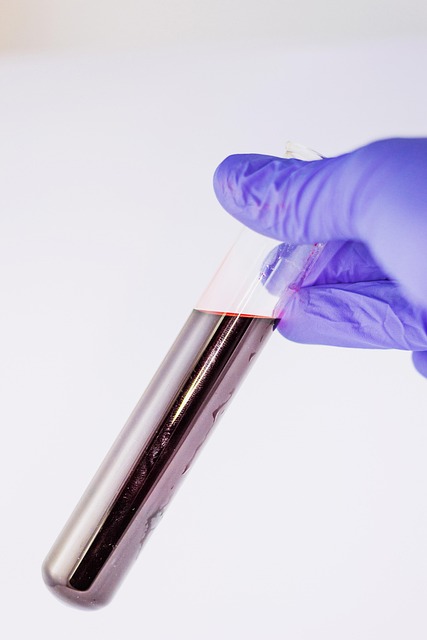
Home thyroid blood tests offer a convenient way to monitor thyroid health by measuring T3, T4, and TSH. Interpretation of results, guided by healthcare professionals, is key for diagnosing conditions like hypothyroidism or hyperthyroidism. Comprehensive panels from reputable manufacturers, tested regularly, empower individuals to manage their thyroid health effectively.
“Unsure about which thyroid panel is right for you? Navigating the world of thyroid health can be confusing, especially with various testing options available. This comprehensive guide aims to empower you with expert advice on selecting the optimal thyroid panel. From understanding the importance of testing to interpreting results and choosing between at-home kits and clinical labs, we cover it all. Discover essential considerations to ensure accurate diagnosis and take control of your thyroid health with our expert tips.”
- Understanding Your Thyroid Health: Why Testing Is Crucial
- Interpreting Thyroid Panel Results: What to Look For
- Selecting the Right Blood Test: Essential Considerations
- At-Home Tests vs. Clinical Labs: Pros and Cons
- Expert Tips for Accurate Thyroid Panel Selection
Understanding Your Thyroid Health: Why Testing Is Crucial
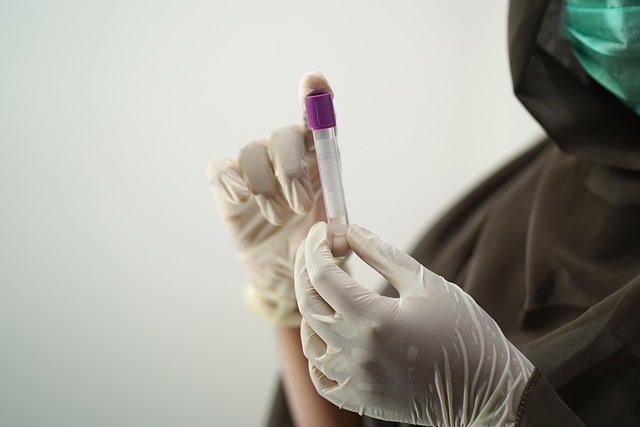
Understanding your thyroid health is essential, as it plays a pivotal role in regulating numerous bodily functions, including metabolism, energy levels, and even mood. A simple home thyroid blood test can be a game-changer in gaining insights into this often-overlooked aspect of wellness. By assessing key markers like T3, T4, and TSH, these tests provide valuable data for healthcare professionals to diagnose conditions such as hypothyroidism or hyperthyroidism.
Knowing how to prepare for a thyroid blood draw and understanding the significance of how to interpret thyroid blood results is crucial. Thyroid Health 101: What You Need to Know equips individuals with the knowledge to actively manage their health. This proactive approach allows folks to take control, ensuring any potential issues are identified early on. With this information, you can make informed decisions and work collaboratively with your healthcare provider to optimize your thyroid health.
Interpreting Thyroid Panel Results: What to Look For

Interpreting Thyroid Panel Results: Unlocking Insights
When you opt for a home thyroid blood test, understanding your results is crucial. These panels often include measurements like TSH (Thyroid-Stimulating Hormone), T3 (Triiodothyronine), and T4 (Thyroxine). Normal ranges vary slightly between labs, but generally, TSH should be between 0.5 to 4.0 mU/L, while T3 and T4 levels typically fall within 80-200 ng/dL and 55-170 pg/mL, respectively. Deviation from these norms could indicate underlying thyroid conditions. For instance, elevated TSH might suggest hypothyroidism, while low TSH could point to hyperthyroidism.
Abnormal results should be discussed with a healthcare professional, who can guide you on when to see a specialist for thyroid issues. Cost-wise, the thyroid blood test price comparison can vary widely, but many reliable test kits are readily available for purchase online. Remember, timely interpretation and action on your test results are key to maintaining optimal thyroid health.
Selecting the Right Blood Test: Essential Considerations
Selecting the right blood test is an essential step when it comes to understanding and managing your thyroid health. The thyroid panel, or home thyroid blood test kit, should be chosen based on individual symptoms and concerns. Many people wonder when should I see a specialist for thyroid issues, but a good starting point is identifying specific red flags like fatigue, weight fluctuations, or changes in mood. These indicators may suggest an underlying thyroid problem, prompting you to consult a healthcare professional who can guide the selection of appropriate tests.
When considering a home thyroid test kit, look beyond the basic TSH (thyroid-stimulating hormone) level check. More comprehensive panels often include measurements of T3 and T4 hormones, as well as anti-thyroid antibodies. This broader approach allows for a more nuanced understanding of your thyroid function. Remember, the goal is to tailor the test to your unique needs, ensuring you get actionable insights into your thyroid health status.
At-Home Tests vs. Clinical Labs: Pros and Cons

At-home thyroid blood tests have gained popularity due to their convenience and accessibility. These tests allow individuals to easily monitor their thyroid function from the comfort of their homes. The pros include privacy, swift results, and the ability to track changes over time. However, at-home tests may not offer the same level of accuracy as clinical labs, and a positive result doesn’t always confirm a medical condition; it’s crucial to consult a healthcare professional for proper interpretation and follow-up.
Clinical labs provide more comprehensive analysis with advanced equipment and skilled technicians, ensuring precise results. In cases where at-home tests suggest abnormalities, clinical labs are essential for a thyroid function panel explanation. A healthcare provider can then guide patients on necessary therapeutic lifestyle changes for thyroid conditions based on these accurate test results. Additionally, labs often offer additional tests beyond basic home thyroid blood tests, such as testosterone tests online, to gain a more holistic view of an individual’s health.
Expert Tips for Accurate Thyroid Panel Selection
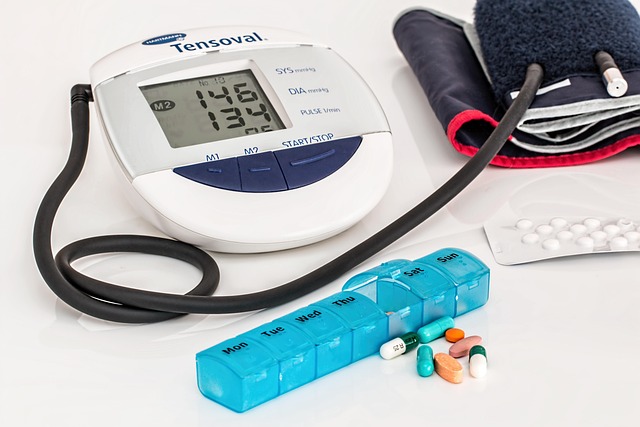
When considering a home thyroid blood test, it’s crucial to select a panel that provides comprehensive insights into your thyroid health. Experts recommend opting for a test kit that includes measurements of TSH (Thyroid-Stimulating Hormone), T3, and T4 levels. These hormones play a pivotal role in regulating metabolism and overall body function.
To ensure accuracy, choose a home thyroid test kit from reputable manufacturers and follow the instructions diligently. It’s generally advised to get a thyroid check every 6-12 months, depending on your health history and symptoms. Regular monitoring allows for early detection of any imbalances or potential issues, enabling timely intervention and management.
When it comes to managing your thyroid health, selecting the right panel is a vital step in understanding your body’s complex hormonal system. By considering factors like specific symptoms, medical history, and accessibility, you can make an informed choice between at-home thyroid blood tests and clinical lab options. Remember, seeking expert advice ensures accurate interpretation of results, guiding you towards personalized care for optimal thyroid function. Whether you opt for a convenient home test or visit a clinic, prioritizing your thyroid health is a decision that can positively impact your overall well-being.