
Thyroid issues often go unnoticed due to subtle symptoms affecting various health aspects. A home thyroid blood test provides accessible means to check T3, T4, and TSH levels, enabling individuals to identify treatable conditions and explore complementary remedies for effective health management. Common imbalances include hypothyroidism and hyperthyroidism, with sub-types like Graves' Disease and Hashimoto's Thyroiditis. Accurate testing is crucial for diagnosis and management, with at-home kits offering convenience and tracking capabilities. Lifestyle adjustments, including diet and stress management, complement medical treatments to support optimal thyroid health.
“Discover how to take control of your thyroid health with accurate testing. Understanding thyroid function is crucial, as disruptions can lead to a range of symptoms affecting energy levels and overall well-being. This article explores common thyroid imbalances, the benefits of home thyroid blood tests for early detection, and accurate interpretation of results. Learn lifestyle adjustments to optimize thyroid health and explore innovative methods to manage your condition effectively.”
- Understanding Thyroid Function and Disruptions
- Symptoms of Common Thyroid Imbalances
- The Role of Home Thyroid Blood Tests
- Accurate Testing Methods and Interpretations
- Lifestyle Adjustments for Optimal Thyroid Health
Understanding Thyroid Function and Disruptions
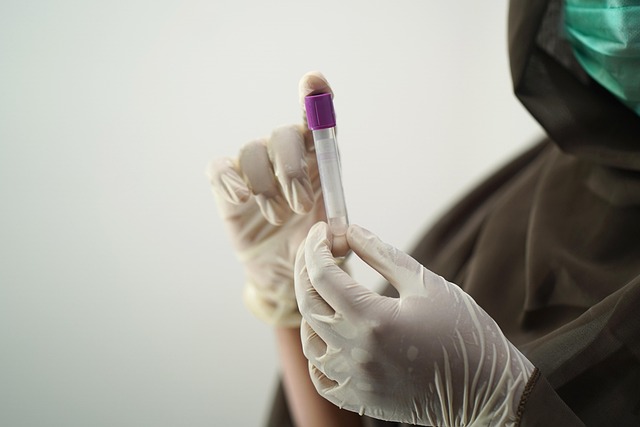
Thyroid issues often go unnoticed as they can manifest subtly, affecting various aspects of your health and well-being. Understanding thyroid function is crucial in identifying potential disruptions. The thyroid gland, located at the base of your neck, plays a vital role in regulating metabolism by producing hormones that influence nearly every cell in your body. These hormones, thyroxine (T4) and triiodothyronine (T3), are responsible for controlling energy production, body temperature, heart rate, and even mood.
Disruptions in thyroid function can arise from various factors, including autoimmunity, iodine deficiency, certain medications, or underlying medical conditions. Symptoms may range from weight fluctuations, fatigue, and hair loss to more severe complications like cardiac issues. A home thyroid blood test is an accessible way to check your thyroid function panel, offering insights into T3, T4, and TSH (thyroid-stimulating hormone) levels. By understanding the thyroid function panel explanation, individuals can identify treatable thyroid conditions at home and explore complementary remedies for thyroid disorders as part of their overall health management strategy.
Symptoms of Common Thyroid Imbalances
Thyroid issues often manifest through a range of subtle symptoms that can easily be overlooked. Understanding these signs is crucial for prompt diagnosis and treatment, especially when considering the convenience of home thyroid blood tests. Common imbalances include Hypothyroidism, characterized by fatigue, weight gain, dry skin, and constipation, and Hyperthyroidism, marked by rapid heartbeat, anxiety, weight loss, and insomnia.
These conditions can be further differentiated into various sub-types, each with its own set of specific symptoms. For instance, Graves’ Disease, a form of Hyperthyroidism, presents with prominent eye changes known as exophthalmos, while Hashimoto’s Thyroiditis, the leading cause of Hypothyroidism, often leads to enlarged thyroid glands and sensitivity in the neck area. Accessing where to buy reliable thyroid test kits and conducting thyroid tests at home allows individuals to actively participate in their health management, providing valuable insights into thyroid function and enabling timely intervention through lifestyle adjustments or medical treatments.
The Role of Home Thyroid Blood Tests

Home thyroid blood tests have become increasingly popular as individuals seek greater control over their health and well-being. These at-home kits offer a convenient way to monitor thyroid function by measuring specific hormone levels in the blood. While some worry about their accuracy compared to traditional medical testing, advancements in technology have made home thyroid blood tests a reliable tool for detecting potential imbalances.
When considering whether to use a home thyroid test, it’s essential to understand what causes thyroid imbalances—such as stress, nutrition deficiencies, or underlying health conditions. Knowing what constitutes a normal thyroid level (typically measured by TSH, T3, and T4) is crucial for interpreting the results accurately. With proper understanding and guidance, home tests can empower individuals to take proactive steps towards maintaining optimal thyroid health.
Accurate Testing Methods and Interpretations
Accurate testing is key when diagnosing and managing thyroid issues. The traditional method involves a thyroid stimulating hormone (TSH) blood test, which measures how well your pituitary gland is communicating with your thyroid. However, for more comprehensive insights, consider at-home thyroid test kits. These innovative tools offer the convenience of self-monitoring, allowing you to track changes in TSH levels over time and identify potential red flags early on.
By utilizing these home thyroid blood tests, individuals can gain a better understanding of their thyroid health. The benefits of at-home thyroid monitoring include increased awareness of subtle variations in hormone levels, enabling timely intervention. Recognizing signs you need a thyroid blood test, such as fatigue, weight changes, or irregular menstrual cycles, prompts proactive care. With regular testing and interpretations from reliable home test kits, individuals can take control of their thyroid health and make informed decisions regarding their well-being.
Lifestyle Adjustments for Optimal Thyroid Health
Maintaining optimal thyroid health involves more than just accurate testing; lifestyle adjustments play a crucial role in managing thyroid issues effectively. A home thyroid blood test can be a convenient first step, allowing individuals to take charge of their health from the comfort of their homes. However, understanding what a normal thyroid level looks like is essential, as self-diagnosis (can I diagnose thyroid issues myself) may not always be accurate.
Diet and lifestyle changes are powerful tools in fixing thyroid issues. Incorporating nutrient-rich foods, such as seafood rich in iodine, nuts, seeds, and leafy greens, can support thyroid function. Additionally, regular exercise, stress management techniques, and sufficient sleep contribute to overall thyroid health. By adopting these lifestyle modifications, individuals can complement their medical treatments and promote better thyroid regulation.
Thyroid health is a crucial aspect of overall well-being, and accurate testing is essential in addressing any issues. By understanding thyroid function, recognizing common imbalances through symptoms, and utilizing reliable testing methods like the home thyroid blood test, individuals can navigate towards optimal thyroid health. Incorporating lifestyle adjustments further reinforces this journey. Remember, early detection and appropriate care are key to managing thyroid conditions effectively.