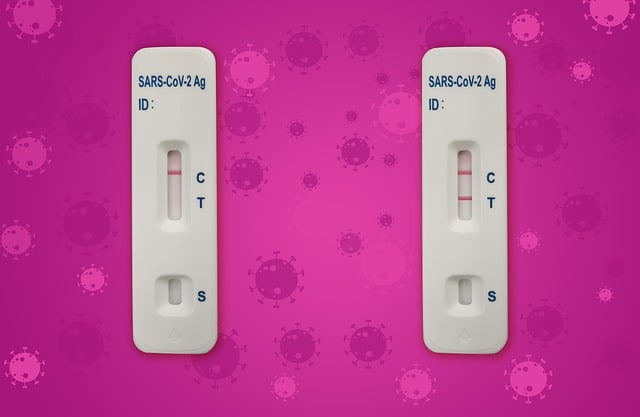
Understanding thyroid function is crucial for recognizing the value of at-home testing. Home thyroid blood tests offer convenient access to health insights, tracking changes over time, and raising concerns for professional evaluation. Normal TSH levels (0.4-4.0 mU/L) indicate good health, but conditions like hypothyroidism or hyperthyroidism can deviate from this range. These tests should complement, not replace, professional medical advice, especially with persistent symptoms or life changes affecting thyroid health.
Can you monitor your thyroid health at home? With advancements in technology, regular home thyroid blood tests are now accessible, offering individuals a convenient way to track their thyroid function. This article explores the benefits of incorporating a home thyroid blood test into your routine, provides insights on interpreting results, and guides you through ensuring accuracy. We also discuss when professional medical advice is necessary. Take control of your health and learn how frequent at-home testing can be a game-changer.
- Understanding Thyroid Function and Its Impact
- Benefits of Regular Home Testing
- Interpreting Home Thyroid Blood Test Results
- Ensuring Accuracy and Reliability at Home
- When to Consult a Healthcare Professional
Understanding Thyroid Function and Its Impact
Understanding how your thyroid gland functions is crucial to comprehending why regular at-home testing can be beneficial. The thyroid, often referred to as the body’s metabolic powerhouse, plays a pivotal role in regulating numerous bodily processes by producing hormones that influence everything from heart rate and digestion to body temperature and weight. Imbalances in these hormones, whether due to overactivity (hyperthyroidism) or underactivity (hypothyroidism), can significantly impact overall health and well-being.
While occasional fluctuations are normal, persistent abnormalities may indicate underlying thyroid issues. If your home thyroid blood test results are abnormal, it’s advisable not to ignore them. Consulting a healthcare professional is essential, as they can help determine if the changes require further evaluation or treatment. Knowing what a normal thyroid level looks like can also be informative; typically, TSH (Thyroid-Stimulating Hormone) levels within a certain range suggest optimal thyroid function.
Benefits of Regular Home Testing

Regular home testing for your thyroid can offer several significant advantages and provide valuable insights into your overall health. One of the key benefits is convenience; with a simple at-home thyroid blood test, individuals can check their thyroid function privacy and comfort of their own homes, eliminating the need for frequent visits to the doctor’s office or laboratory. This accessibility empowers folks to take an active role in monitoring their health, especially those who live far from medical facilities or have busy schedules.
Additionally, comparing at-home tests with traditional methods can be beneficial. These home thyroid tests allow individuals to track changes in their thyroid levels over time, enabling early detection of potential issues. While these tests cannot replace a doctor’s diagnosis, they do provide a convenient way to check thyroid levels and raise any concerns for further medical evaluation.
Interpreting Home Thyroid Blood Test Results

Interpreting your home thyroid blood test results is a crucial step in understanding your overall health and well-being. Thyroid stimulating hormone (TSH) levels are typically measured, with normal ranges varying slightly between labs. Generally, a TSH level between 0.4 and 4.0 mU/L (mill units per liter) is considered within a healthy range for adults. However, these numbers can be indicative of different things; elevated TSH might suggest hypothyroidism, while low TSH could point to hyperthyroidism.
It’s important to note that while home thyroid blood tests can offer valuable insights, they should not replace professional medical advice. Thyroid screening recommendations for women often involve regular checks, especially after certain life stages like pregnancy or menopause. If you suspect any thyroid issues, it’s best to consult a healthcare provider who can accurately diagnose and treat these conditions, providing personalized guidance based on your test results and overall health history, rather than attempting to self-diagnose through at-home testing alone.
Ensuring Accuracy and Reliability at Home

Ensuring Accuracy and Reliability at Home
While the convenience of a home thyroid blood test is undeniable, it’s crucial to consider factors that impact accuracy and reliability. Unlike clinic settings, at-home testing kits don’t have the same level of control over variables like sample handling and storage. To get precise results, users must strictly adhere to instructions provided with the kit, especially regarding collection and processing of samples. Thyroid blood test price comparison studies suggest that home tests can be cost-effective, but they may not always offer the same depth of analysis as a clinic visit.
Understanding the thyroid function panel explanation is key when interpreting results. This at-home testing vs clinic visits debate highlights the importance of knowing what each test measures and any potential limitations. While home thyroid blood tests provide a convenient way to monitor health, it’s essential for folks to be aware of their capabilities and consult healthcare professionals if results raise concerns or require further clarification.
When to Consult a Healthcare Professional
While the ability to conduct a home thyroid blood test is appealing for its convenience, it’s important to understand when professional guidance is necessary. If you’re experiencing persistent symptoms like fatigue, weight fluctuations, dry skin, or decreased energy levels that don’t improve with lifestyle changes, it could be an indication of underlying health issues. These signs you need a thyroid blood test might suggest a condition like hypothyroidism or hyperthyroidism, requiring medical attention.
Additionally, factors such as age, recent significant life changes, or ongoing medications can impact thyroid health. If you’re considering a testosterone test online without consulting a healthcare professional, remember that self-diagnosis and at-home testing may not be sufficient to address potential hormonal imbalances accurately. Regular monitoring through a qualified practitioner ensures proper interpretation of results and tailored recommendations based on your unique needs, especially as these tests can provide valuable insights into your overall well-being.
Regularly conducting home thyroid blood tests can empower individuals to actively monitor their thyroid health. This practice allows for early detection of potential issues, enabling prompt action and intervention. While at-home testing offers convenience and accessibility, it’s crucial to interpret results thoughtfully and consult healthcare professionals for personalized guidance when needed. Embracing this approach fosters a proactive mindset towards managing thyroid function and overall well-being.